Beyond the Festival Stage: Why Experience-Led Entertainment Is Growing in South Africa
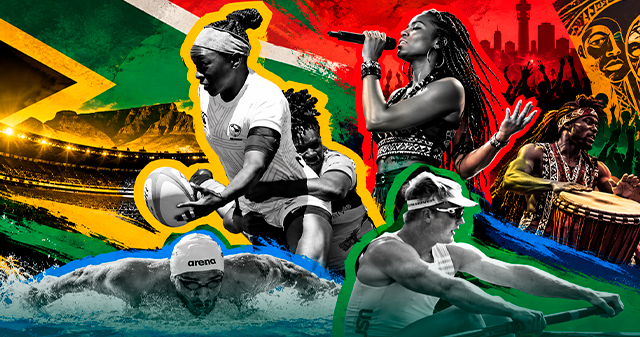
Entertainment is increasingly about more than watching. The strongest live experiences ask people to participate: sing along, taste something new, support a team, meet friends, discover an artist or share a moment that cannot be replayed in exactly the same way. South Africa’s mix of music festivals, sporting occasions, food events and cultural gatherings shows why experience-led entertainment has such enduring appeal – even in an age dominated by streaming, social media and personalised digital feeds.
What Is Experience-Led Entertainment?
Experience-led entertainment places the event itself at the centre of the value. The audience is not simply consuming content; it is part of the atmosphere around it. The venue, crowd, food, music, timing and social context all matter.
A live concert is an obvious example, but the idea is much broader. A food festival, a major rugby Test, a cultural market or an agricultural competition can all become entertainment experiences when they give people a reason to attend, participate and remember the day.
The key difference is involvement. People are not only asking, “What can I watch?” They are also asking, “Where can I go, who can I take with me, and what can I experience?”
Why People Still Want to Be There in Person
Digital entertainment is convenient, abundant and often personalised. Live events offer almost the opposite: a fixed time, a specific place and a shared audience. Those limitations are part of the appeal.
Being physically present creates a sense of occasion. People plan around the event, travel to it and share the build-up. Once there, the reactions of the crowd become part of the entertainment. A song feels different when thousands of people sing it together. A late try feels different inside the stadium. A food competition feels different when the aroma, noise and commentary are happening a few metres away.
Live experiences therefore compete less on convenience and more on memory.
Music Festivals Turn Listening into Participation
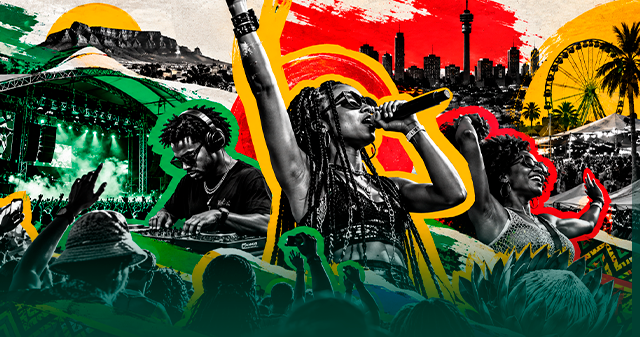
PRIME FEST III is a useful example. A listener can play Prime Circle, Jeremy Loops, GoodLuck or Jesse Clegg at home at any time. A festival brings those artists, their different audiences and a physical environment together in one sequence.
The result is not simply several concerts placed next to one another. Food, travel, meeting friends, discovering new acts and staying for the headline set all become part of the experience.
That is why a good festival can appeal even to someone who is not a devoted fan of every name on the line-up.
Food and Culture Events Work for the Same Reason
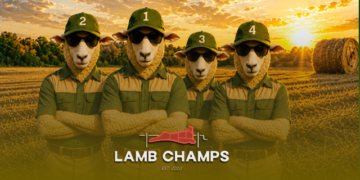
The same pattern can be seen in food-led events such as Lamb Champs. At its core, the competition is about farmers and the quality of lamb. But the public-facing experience combines food, agriculture, personalities, rivalry, commentary and entertainment.
That packaging matters because it makes a specialist subject accessible to a much wider audience. Consumers can learn about farmers and production systems while still enjoying an event built around taste, competition and atmosphere.
Experience-led formats are especially powerful when they make a niche world easier to enter without removing what makes it authentic.
Sport Has Always Understood the Power of Being There
Sport may be the clearest example of experience-led entertainment because the live result matters. A supporter can watch on television and still understand the contest, but attending a major fixture offers something extra: the crowd, the tension, the songs, the noise and the collective reaction to moments no one knows in advance.
The 2026 Springboks-All Blacks series demonstrated that effect at several venues, with the rivalry carrying different energy from Johannesburg to Cape Town, Soweto and Baltimore.
The event experience becomes part of the story, not just the location where the story happens.
Digital and Live Entertainment Are Converging
Live events are not replacing digital channels. Increasingly, the two strengthen one another. Social content creates anticipation before an event, mobile tickets simplify access, livestreams expand reach and post-event clips keep conversations going.
Lamb Champs’ 2026 Invitational, for example, has been designed for both an in-person audience and a much wider livestream audience. That does not make the physical event less important. Instead, the live venue becomes the source of content and energy that can travel further online.
The strongest entertainment properties increasingly think about the audience in both places.
What Makes a Memorable Experience?
There is no single formula, but successful live entertainment tends to share a few characteristics:
- A clear reason to attend rather than only watch later.
- A recognisable identity or theme.
- People, performers or competitors the audience can care about.
- A venue and production environment that supports the main attraction.
- Good pacing across the day or event.
- Moments that feel shareable without being designed only for social media.
- A sense that the audience is part of what makes the event special.
Importantly, scale is not everything. A smaller event with a strong identity can be more memorable than a large event that feels generic.
Why Brands Are Interested in Experiences
For sponsors, live experiences create a different type of connection from conventional advertising. A brand can become associated with an event, community or moment rather than simply appearing between pieces of content.
That only works when the partnership feels relevant. The audience should understand why the brand is there, and the sponsorship should add to the experience rather than overwhelm it.
ZARBet’s involvement in properties such as PRIME FEST and Lamb Champs places the brand inside entertainment, food and cultural experiences that already have their own identity. That provides useful opportunities for storytelling beyond product-led messages.
The Future Is Not Only On-Screen
South Africans will continue to stream music, sport and entertainment. But the convenience of digital content does not remove the desire to go somewhere and experience something with other people.
If anything, constant access to digital content can make genuinely shared moments more distinctive. The question for event organisers is not whether live experiences can compete with screens. It is how they can use digital reach to make the physical experience more visible, more accessible and more valuable.
That is why music festivals, sporting rivalries, food competitions and cultural events can all sit within the same broader entertainment landscape.
Experience-led entertainment succeeds because it turns content into memory. The stage, field or competition matters, but so do the people around it. For South African audiences, that combination of participation, place and shared culture remains difficult to reproduce anywhere else.