
How Online Sports Betting Works in South Africa
The days of travelling to your nearest branch or retail store to place a sports bet in South Africa are largely behind us. With online sports betting, you can register, fund your account and place wagers on different sporting markets digitally, often from the comfort of your home.
This beginner’s guide explains how online sports betting works, from choosing a licensed sportsbook and understanding odds to selecting betting markets, depositing and withdrawing money, completing account verification and betting responsibly.
Before you place your first bet, it helps to understand the basic steps and what each part of the process means.
What Is Online Sports Betting?
Sports betting is the act of predicting the outcome of a sporting event and placing money, known as a stake, on that prediction. If the prediction is correct, you receive a payout based on the odds offered and the amount you wagered.
Traditionally, this meant visiting a bookmaker or betting shop. Online sports betting follows the same principle, but the process happens on a website or mobile app. Instead of handing over cash at a counter, you create an account, verify your details, deposit funds digitally and place bets online.
Because everything happens digitally, convenience is one of the biggest benefits. You can browse upcoming fixtures, compare markets, view live odds and manage your account without needing to visit a physical location.
However, convenience should always come with caution. It is important to use a licensed sportsbook, understand the bet you are placing and only wager money you can afford to lose.
How Does an Online Sportsbook Work?
An online sportsbook is a digital platform that accepts bets on sporting events. In South Africa, online sports betting is legal when the bookmaker is licensed by a South African provincial gambling board. The licence helps ensure the operator meets regulatory standards for fairness, security, responsible gambling and customer protection.
Once licensed, a sportsbook offers a range of sports and markets. These can include match winners, totals, handicaps, player performance markets and live betting options. The available markets differ depending on the sport, competition and timing of the event.
Each market is shown with odds. Odds indicate both the potential payout and the implied likelihood of that outcome. Generally, lower odds suggest an outcome is more likely, while higher odds suggest it is less likely and therefore carries a larger potential return.
To start betting, you usually need to register an account, provide your personal details, verify your identity, deposit funds using an accepted payment method and then add selections to a bet slip before confirming your wager.
Verification is a key part of the process. Bookmakers may request documents such as an identity document, proof of address and banking details to confirm that the account belongs to you and to help prevent fraud, money laundering and underage gambling.
A reputable sportsbook should also provide responsible gambling tools, such as deposit limits, time-outs and self-exclusion options, so players can stay in control of their betting activity.
Understanding Odds
Odds show how much you could receive if your bet wins. Depending on the sportsbook, odds may be displayed as decimals or fractions. Decimal odds are commonly used in South Africa and are straightforward for beginners because they show the total return, including your original stake.
With decimal odds, you multiply your stake by the odds to calculate your total payout: Stake × Decimal Odds = Total Payout. For example, a R100 bet at odds of 1.80 would return R180 if successful. This includes your R100 stake plus R80 profit.
Fractional odds display the potential profit compared with your stake. For example, a R200 bet at 3/1 would win R600 profit, and your R200 stake would be returned, giving you a total payout of R800.
Before placing a bet, make sure you understand which odds format is being used and what the potential payout means. Odds can change before and during an event, especially during live betting.
Selecting a Sport
It is best to start with a sport you understand. Familiarity with the rules, teams, players and tournament format can help you make more informed decisions and avoid confusing similar-looking markets.
Popular sports for South African bettors include football, rugby, cricket, tennis and boxing. Sports calendars change throughout the year, so the availability of events may depend on the season, competition schedule and region.
Selecting a Betting Market
A betting market is the specific outcome you are betting on. Common examples include match winner, both teams to score, total points or goals, handicap betting and player-specific outcomes. Some markets settle at the end of the match, while others settle after a shorter period, such as the first half, first set or next goal.
Always read the market description before confirming a bet. Two markets may look similar but settle differently, and understanding the rules can help you avoid mistakes.
Placing a Bet
Once you have chosen a sport, selected a market and funded your account, you can place a bet. Add your selection to the bet slip, enter your stake, review the potential payout and confirm the wager only when you are comfortable with the details.
Before confirming, check that the event, market, selection, odds and stake are correct. Once a bet is accepted, it usually cannot be changed.
Singles vs Multiple Bets
A single bet is one selection on one market. It is easier to understand because only one outcome needs to be correct for the bet to win.
A multiple bet combines two or more selections on the same bet slip. The potential payout is higher because the odds are combined, but every selection must win for the bet to pay out. Multiples can be appealing, but they are also riskier than singles.
What Is Live Betting?
Live betting, also called in-play betting, allows you to place bets while a match or event is already in progress. Odds move in real time as the action changes, so the price you see can shift quickly after goals, points, wickets, injuries or other key moments.
Because decisions need to be made quickly, live betting can be exciting but also risky. Set a budget before you start and avoid chasing losses during a match.
Deposits and Withdrawals
To place bets online, you first need to deposit money into your sportsbook account. Common payment methods may include debit cards, instant EFT, bank transfers, vouchers or other approved digital payment options, depending on the operator.
Withdrawals usually need to be sent to an account or payment method that belongs to the registered account holder. To avoid delays, complete verification early, make sure your details match your documents and read the sportsbook’s payment rules before you deposit.
Account Verification
Account verification is often referred to as KYC, which stands for Know Your Customer, or FICA verification in South Africa. It helps confirm your identity, protect your account and support compliance with anti-money-laundering and fraud-prevention requirements.
You may be asked to provide your full name, date of birth, identity number, proof of address and banking information. Some operators may also request additional checks before processing withdrawals or if account activity needs further review. Completing verification as soon as you register can help prevent withdrawal delays later.
Responsible Betting
Online betting should be treated as entertainment, not as a way to make guaranteed money. Set a budget before you start, avoid betting with money meant for essentials and never chase losses. If your betting stops feeling fun or starts affecting your finances, work, relationships or wellbeing, use the responsible gambling tools available and consider taking a break.
Many sportsbooks offer tools such as deposit limits, loss limits, time reminders, cool-off periods and self-exclusion. These tools are there to help you stay in control and should be used before betting becomes a problem.
Frequently Asked Questions
Is online sports betting legal in South Africa?
Yes. Online sports betting is legal in South Africa when you use a bookmaker licensed by a South African provincial gambling board. Always check that the sportsbook displays valid licence information before registering.
Can I bet on my mobile?
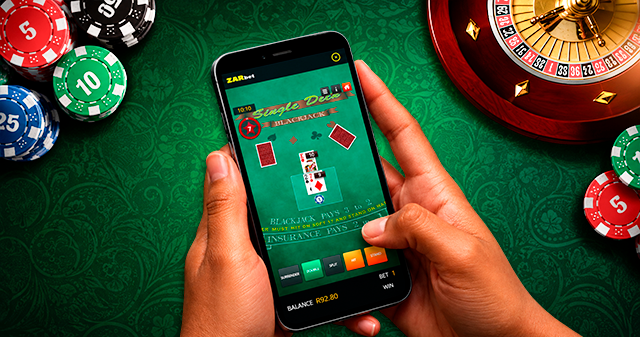
Yes. Most online sportsbooks support mobile betting through a mobile website or app. You can usually register, deposit, place bets, manage your bet slip and request withdrawals from a compatible mobile device.
How do I register for an online sportsbook?
To register, choose a licensed sportsbook, create an account with your personal details, verify your cellphone or email address, set a secure password and complete any required verification steps.
What documents do I need for verification?
You may need to submit proof of identity, proof of address and banking information. Requirements differ by operator, so check the sportsbook’s verification page and make sure your documents are clear, current and match your registered details.
How do odds affect my payout?
Odds determine your potential return. With decimal odds, multiply your stake by the odds to calculate the total payout. Higher odds can mean a bigger return, but they usually also indicate a less likely outcome.
What is the difference between a single and a multiple bet?
A single bet has one selection, while a multiple bet combines two or more selections. Multiples offer higher potential payouts, but every selection must win for the bet to be successful.
Can I withdraw winnings immediately?
Withdrawal times depend on the sportsbook, payment method and whether your account has been verified. Completing FICA or KYC checks early can help reduce delays when you request a payout.
What should I check before placing a bet?
Check the sport, event, market, selection, odds and stake. Also confirm whether the bet is pre-match or live, because odds and settlement rules can differ.
What is live betting?
Live betting allows you to place bets while an event is in progress. Odds update as the match changes, so decisions often need to be made quickly.
How can I bet responsibly?
Set a budget, use limits, avoid chasing losses and take breaks when needed. If betting starts to feel stressful or difficult to control, use self-exclusion tools or seek support.